Wholesale Purchase Contract Negotiation: Terms, Payment Methods, and Risk Management
Introduction
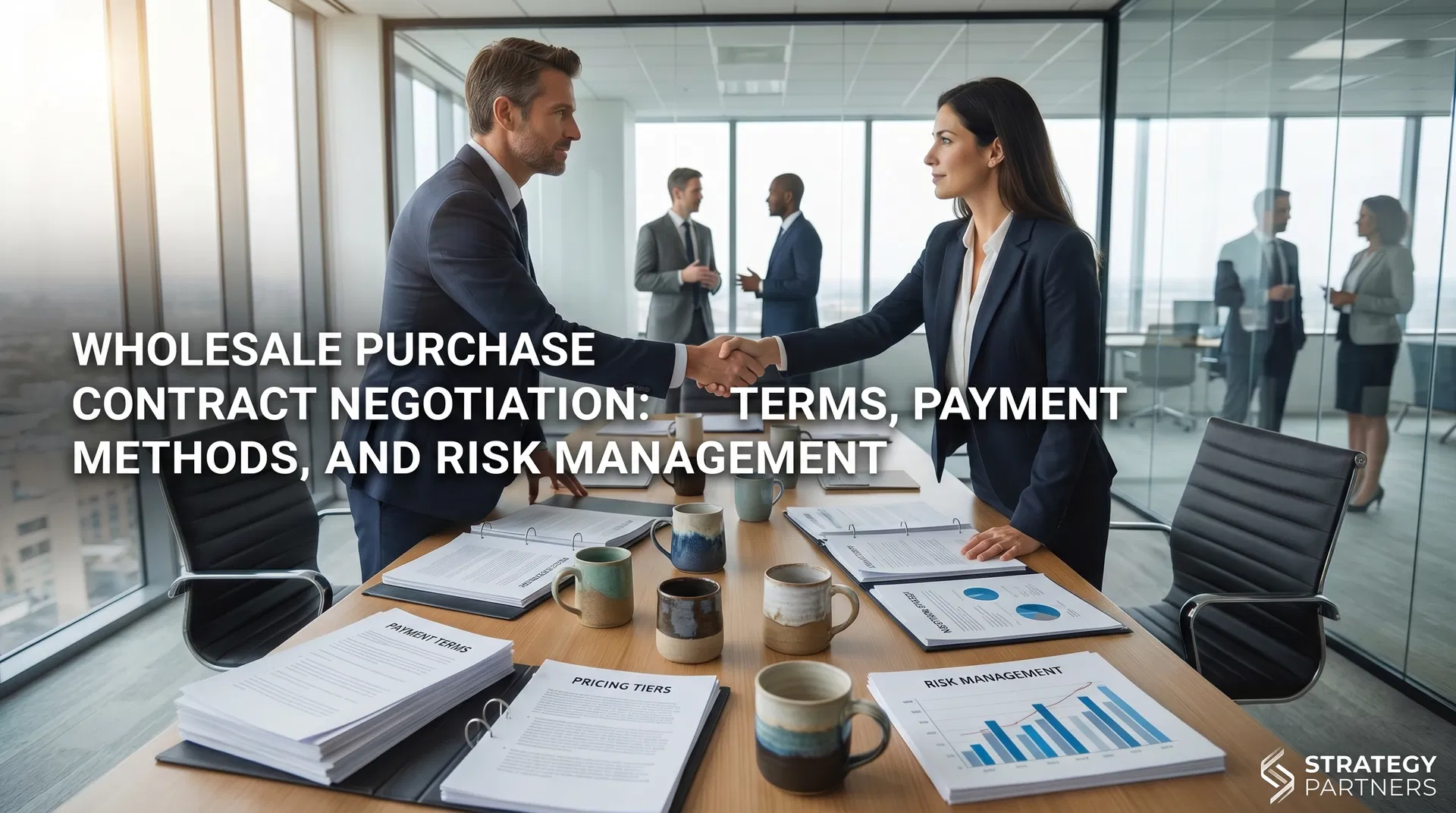
Negotiating wholesale purchase contracts for ceramic souvenir mugs requires strategic thinking, market knowledge, and clear risk management protocols. For B2B retailers and bulk purchasers, contract terms directly impact profitability, cash flow, and supply chain reliability. This comprehensive guide explores contract negotiation strategies, payment options, risk mitigation techniques, and legal considerations essential for successful wholesale relationships.
Understanding Wholesale Contract Fundamentals
Key Contract Components
A comprehensive wholesale purchase agreement should address:
1. Product Specifications
2. Pricing Structure
3. Delivery Terms
4. Payment Terms
5. Quality Assurance
6. Dispute Resolution
Pricing Negotiation Strategies
Volume-Based Pricing Tiers
Manufacturers typically offer tiered pricing to incentivize larger orders:
| Order Volume | Unit Price | Discount | Typical MOQ |
|-------------|-----------|----------|-----------|
| 500-999 units | $2.50 | 0% | 500 |
| 1,000-4,999 units | $2.15 | 14% | 1,000 |
| 5,000-9,999 units | $1.85 | 26% | 5,000 |
| 10,000-24,999 units | $1.60 | 36% | 10,000 |
| 25,000+ units | $1.40 | 44% | 25,000 |
Negotiation Tactics:
1. Volume Commitment Strategy
Offer multi-year volume commitments (e.g., 50,000 units annually) in exchange for better unit pricing. This provides manufacturers with revenue predictability and justifies price reductions.
2. Seasonal Ordering
Negotiate off-season discounts (5-10% additional reduction) for orders placed during low-demand periods. This helps manufacturers maintain production continuity.
3. Customization Premiums
Clarify custom decoration, packaging, or glaze costs separately. Standard products typically offer 10-15% better pricing than customized items.
4. Competitive Bidding
Request quotes from 3-5 suppliers for identical specifications. Use competitive quotes as leverage for price negotiations with your preferred supplier.
Payment Terms and Cash Flow Optimization
Traditional Payment Terms:
| Term | Description | Cash Flow Impact | Supplier Preference |
|------|-------------|------------------|-------------------|
| Net 30 | Payment due 30 days after invoice | Moderate | Standard |
| Net 60 | Payment due 60 days after invoice | Favorable | Less common |
| 2/10 Net 30 | 2% discount if paid within 10 days | Excellent | Common |
| 50% Advance, 50% on Delivery | Split payment | Moderate | Preferred for new suppliers |
| Letter of Credit (LC) | Bank-guaranteed payment | Neutral | International trade |
| Consignment | Payment after goods sell | Unfavorable | Rare, premium suppliers only |
Cash Flow Optimization Strategy:
For a $50,000 order with 2/10 Net 30 terms:
Negotiation Approach:
Request 2/10 Net 45 terms (2% discount if paid within 10 days, otherwise due in 45 days). This extends your cash flow runway while maintaining the early payment discount option.
Payment Methods and Risk Mitigation
International Payment Methods
1. Wire Transfer (T/T)
2. Letter of Credit (LC)
3. Documentary Collection (D/A or D/P)
4. Open Account
Risk Management Framework
Supplier Risk Assessment:
| Risk Factor | Assessment Method | Mitigation Strategy |
|-------------|------------------|-------------------|
| Financial stability | Credit check, bank references | Require financial statements, limit order size |
| Production capacity | Factory visit, capacity documentation | Stagger orders, maintain backup suppliers |
| Quality consistency | Sample testing, defect rate history | Require quality certifications, inspection protocols |
| Delivery reliability | On-time delivery history | Build buffer time into supply chain, penalties for delays |
| Regulatory compliance | Certification verification | Request third-party audit reports, compliance documentation |
Recommended Risk Mitigation Measures:
Contract Negotiation Tactics
Pre-Negotiation Preparation
1. Market Research
2. Internal Alignment
3. Documentation Preparation
Negotiation Phases
Phase 1: Opening (Days 1-3)
Phase 2: Exploration (Days 4-7)
Phase 3: Bargaining (Days 8-14)
Phase 4: Closure (Days 15+)
Negotiation Trade-offs
Strategic concessions can unlock better terms:
| Concession | Potential Benefit | Negotiation Value |
|-----------|------------------|------------------|
| Accept longer MOQ (5,000 vs 1,000) | 8-12% price reduction | High |
| Flexible delivery dates | 5-8% price reduction | Medium |
| Accept standard packaging | 3-5% price reduction | Medium |
| Longer payment terms (Net 60) | Improved cash flow | High |
| Multi-year commitment | 10-15% price reduction | Very High |
| Accept minor color variations | 2-3% price reduction | Low |
Payment Terms Negotiation Examples
Scenario 1: New Supplier, $25,000 Order
Supplier's Opening Position:
Retailer's Negotiation Strategy:
Likely Outcome:
Scenario 2: Established Supplier, $100,000 Order
Supplier's Opening Position:
Retailer's Negotiation Strategy:
Likely Outcome:
Legal and Compliance Considerations
Essential Contract Clauses
1. Force Majeure
Protects both parties from liability due to unforeseeable events (natural disasters, pandemics, war).
Recommended language: "Neither party shall be liable for failure to perform due to circumstances beyond reasonable control, including but not limited to natural disasters, pandemics, government actions, and war."
2. Intellectual Property
Clarifies ownership of designs, trademarks, and custom artwork.
Recommended: Buyer retains ownership of custom designs; supplier grants non-exclusive rights to manufacture.
3. Confidentiality
Protects sensitive business information (pricing, customer lists, designs).
Recommended: 3-5 year confidentiality period post-contract termination.
4. Liability Limitations
Caps financial exposure for breach of contract.
Recommended: Liability limited to order value or 12 months of purchases, whichever is greater.
5. Termination Provisions
Defines conditions and procedures for contract termination.
Recommended: 30-90 days notice for termination without cause; immediate termination for material breach.
International Trade Considerations
Incoterms 2020 Selection:
| Term | Risk Transfer | Shipping Cost | Best For |
|------|----------------|---------------|----------|
| FOB (Free on Board) | At port of origin | Buyer pays | Experienced importers |
| CIF (Cost, Insurance, Freight) | At destination port | Seller pays | Smaller orders |
| DDP (Delivered Duty Paid) | At buyer's location | Seller pays all | Hassle-free delivery |
Customs and Duties:
Dispute Resolution and Contract Enforcement
Escalation Procedures
Level 1: Direct Communication (Days 1-7)
Level 2: Management Escalation (Days 8-14)
Level 3: Third-Party Mediation (Days 15-30)
Level 4: Arbitration/Litigation (Days 31+)
Common Disputes and Resolutions
| Dispute Type | Typical Cause | Resolution Approach |
|-------------|--------------|-------------------|
| Quality defects | Manufacturing issues | Replacement shipment, partial refund |
| Late delivery | Production delays | Penalty clauses, future discount |
| Pricing discrepancies | Invoice errors | Credit memo, corrected invoice |
| Quantity shortages | Counting errors | Replacement units, price adjustment |
| Specification mismatch | Communication failure | Replacement or acceptance with discount |
Best Practices for Successful Negotiations
Conclusion
Successful wholesale contract negotiation requires preparation, strategic thinking, and clear communication. By understanding pricing structures, payment methods, risk mitigation techniques, and legal considerations, B2B retailers can negotiate favorable terms that optimize cash flow, minimize risk, and build sustainable supplier relationships.
The most successful wholesale relationships balance competitive pricing with reliable quality, clear communication, and mutual respect. Invest time in understanding your supplier's business model and constraints, and seek win-win solutions that benefit both parties. This approach builds long-term partnerships that provide competitive advantages and supply chain stability in the dynamic souvenir mug market.